
Apr
06
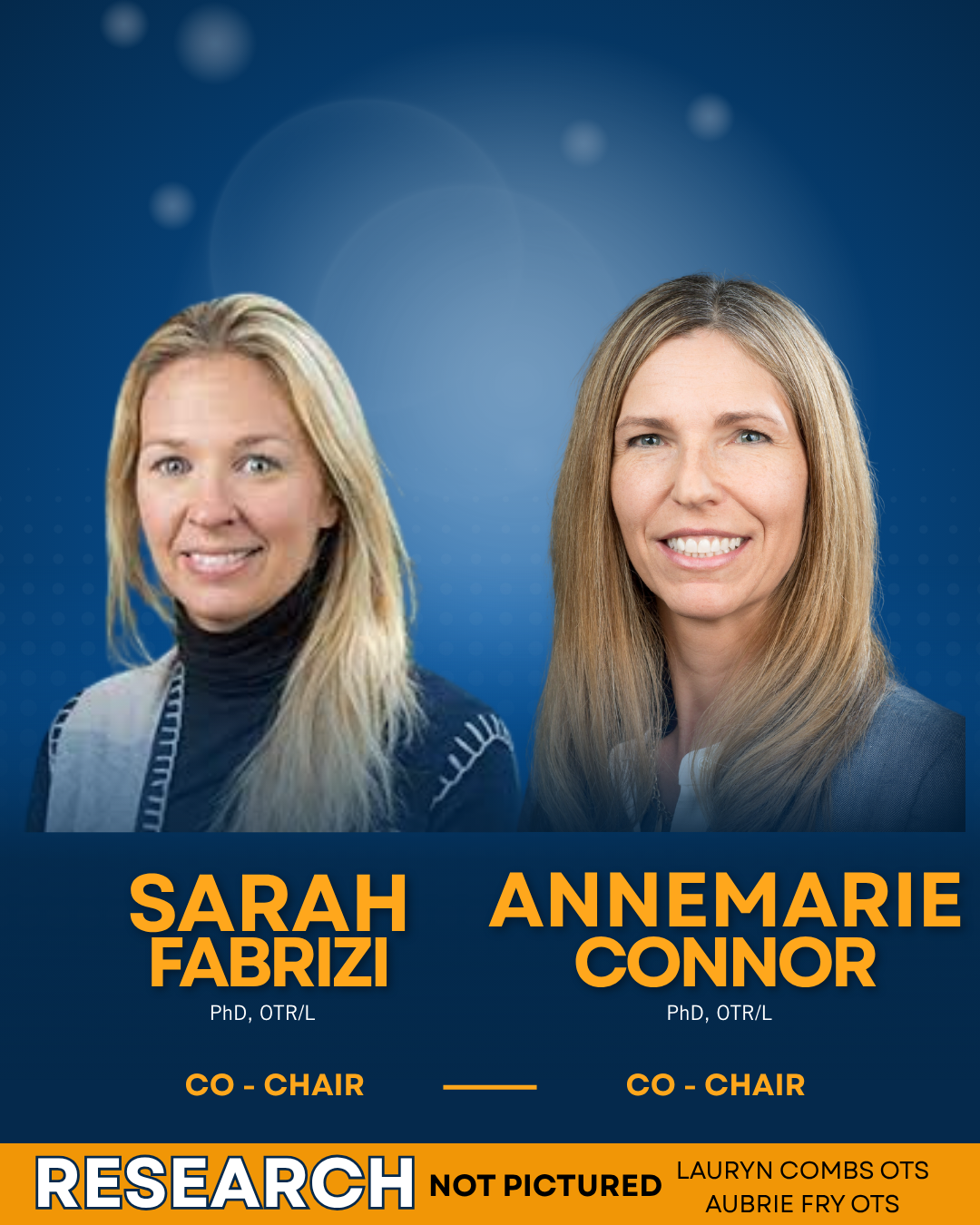 Sustaining the “Self” in Therapeutic Use of Self
Annemarie Connor, PhD, OTR/L; Sarah Fabrizi, PhD, OTR/L; Lauryn Combs, OTS; Aubrie Fry, OTS
In the ever-evolving profession of occupational therapy, practitioners are often inundated with new technologies, standardized assessments, and specialized protocols. While these are essential, we must not overlook the most foundational instrument in our clinical toolbox: therapeutic use of self. Broadly conceptualized as the working alliance (WA), this is a collaborative relationship defined by agreement on goals, consensus on tasks, and strong interpersonal bonds (Bordin, 1979). This article operationalizes the WA as an evidence-based practice foundational to effective intervention and a critical protective factor against therapist burnout.
 Differentiating Sensory, Executive Function, and Behavioral Challenges
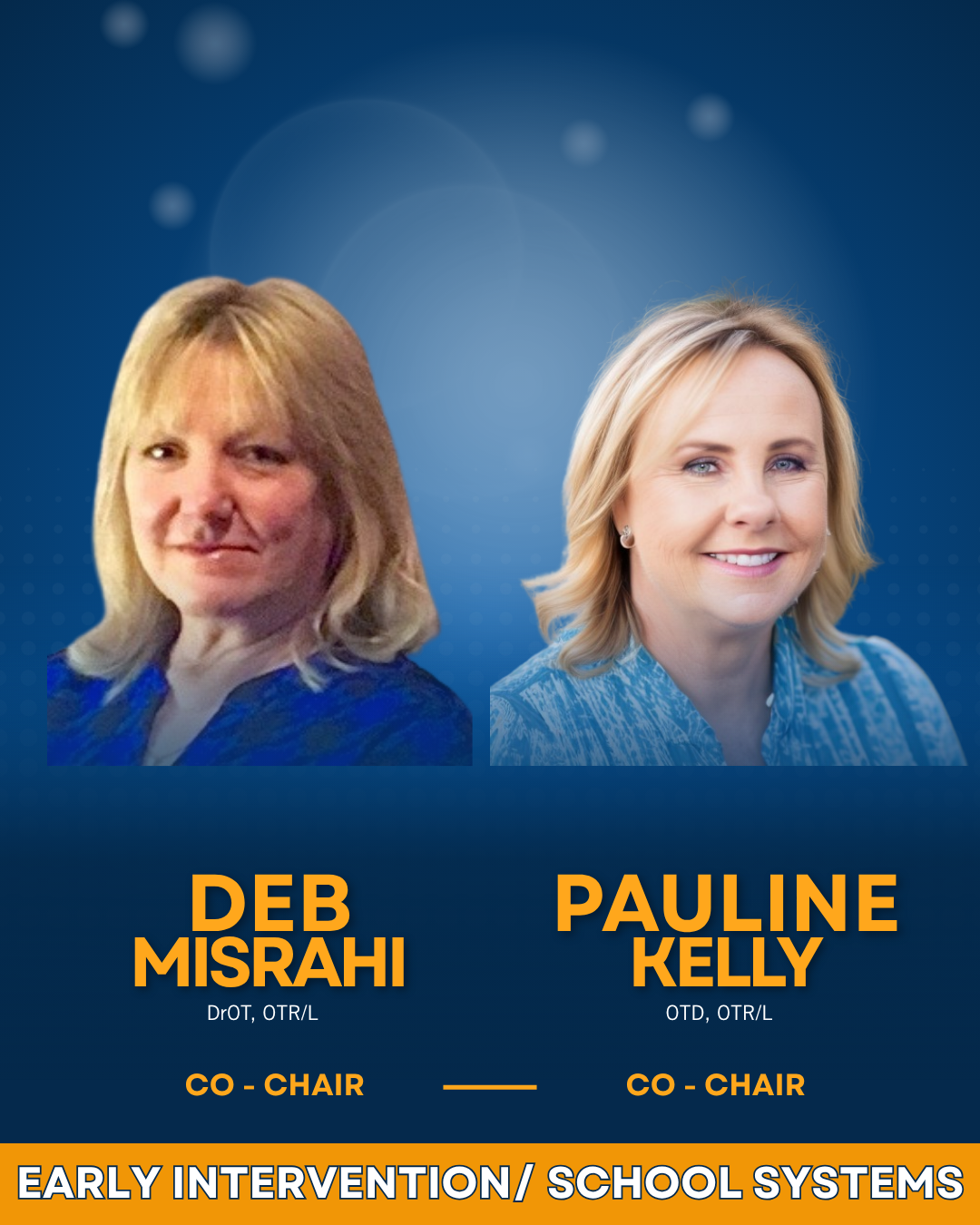 Executive Functioning in School‑Based Occupational Therapy: Assessment and Intervention Through an Occupational Lens
 The Influence of Positive Faculty-Student Relationships on Student Engagement: The Basics
 High Risk Pregnancy and the Expanding Role of Occupational Therapy in Maternal Health
 Traditional Medicare versus Medicare Advantage disparities and outcomes
 Supporting Occupational Engagement for Individuals Living with Cancer: Implications for Occupational Therapy Practice
 Evidence-Based Cognitive Interventions for Older Adults
 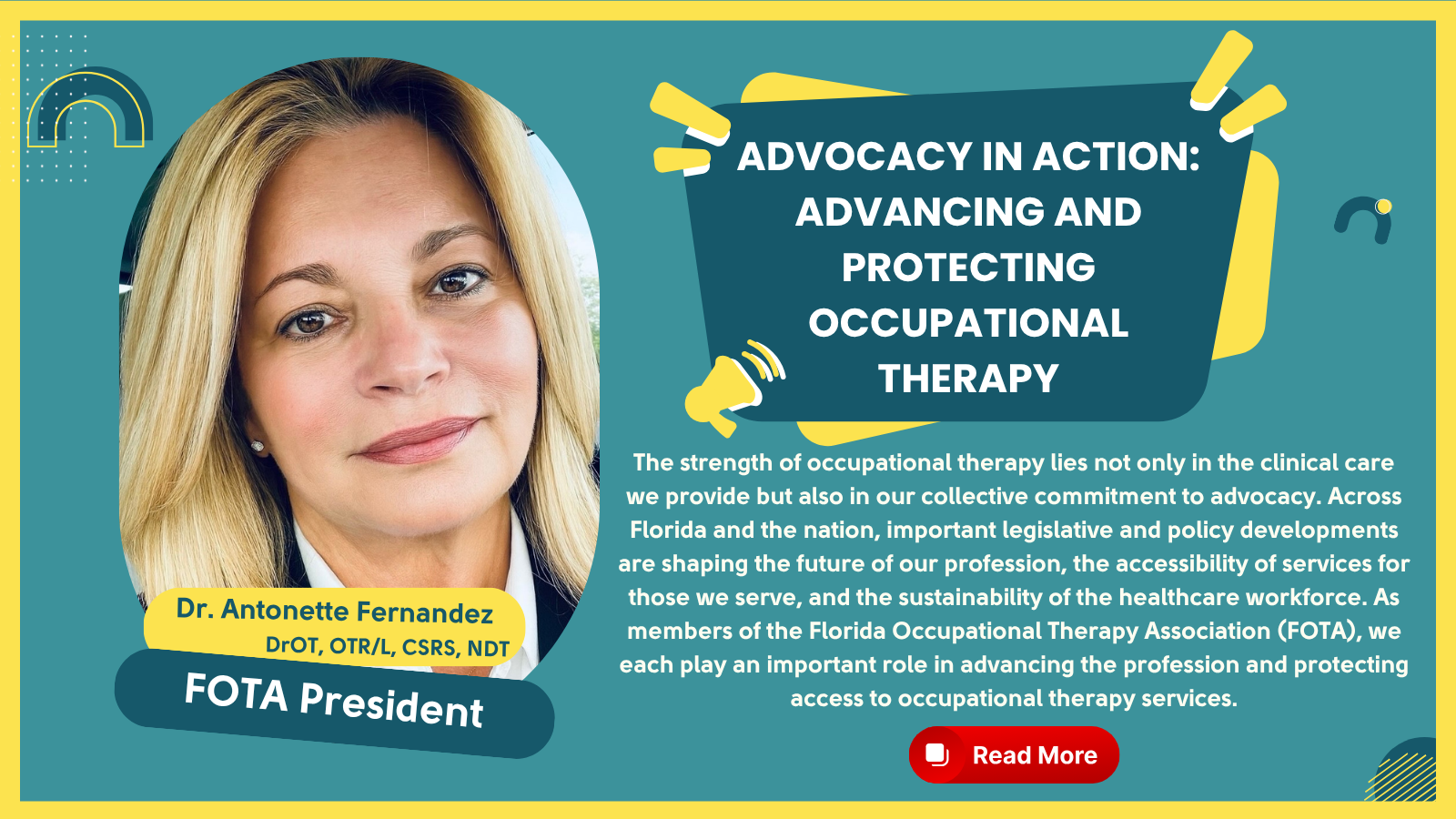 Advocacy in Action: Advancing and Protecting Occupational Therapy
 Beyond Intuition: Mentoring the "Natural" OT/OTA Student for Deep Reflection
 The Importance of Vanity in Acute Care OT: Strategies to Improve Mental Health
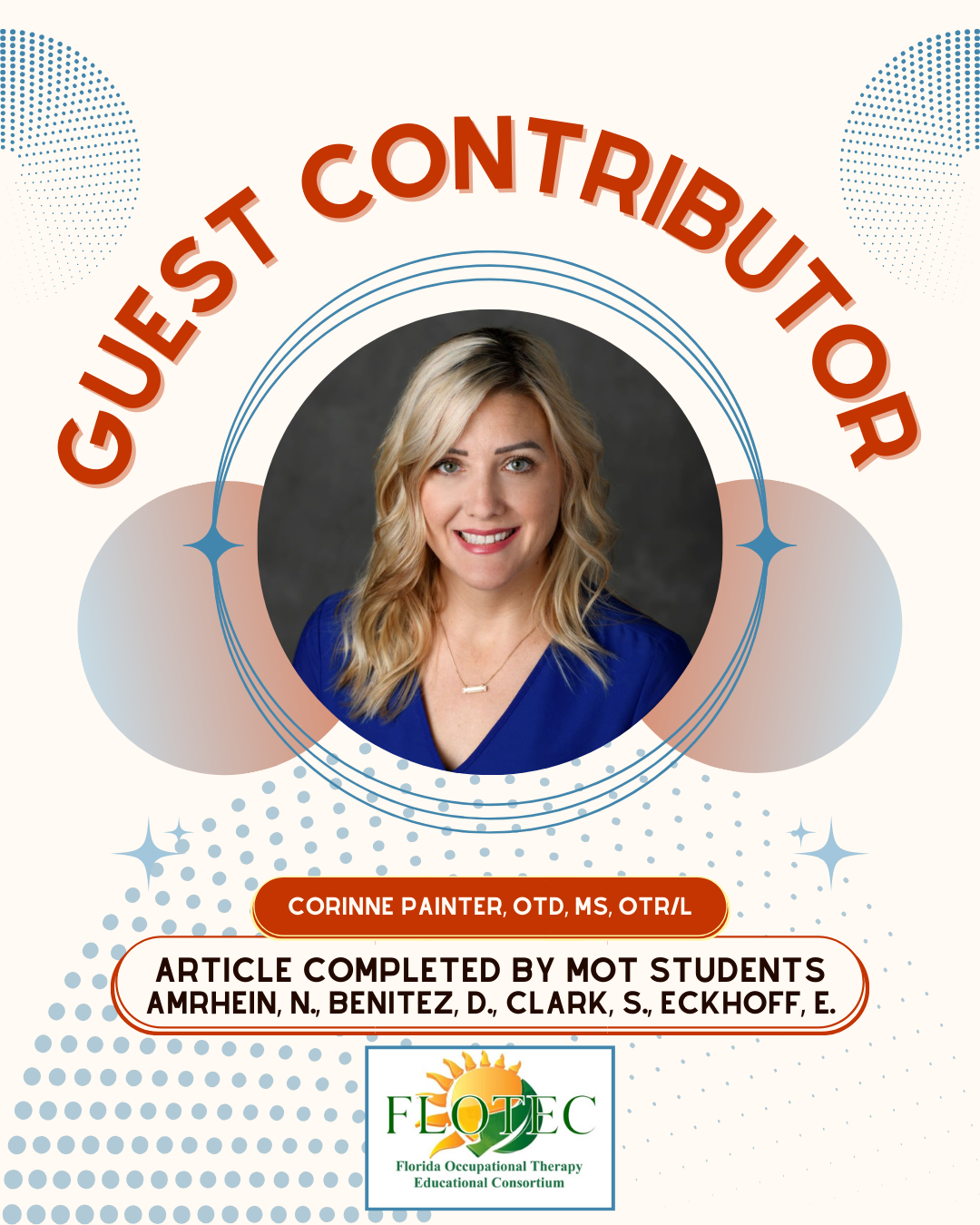 Bridging the Gap: Promoting Clinical Fieldwork Educator Competency in Occupational Therapy Practice
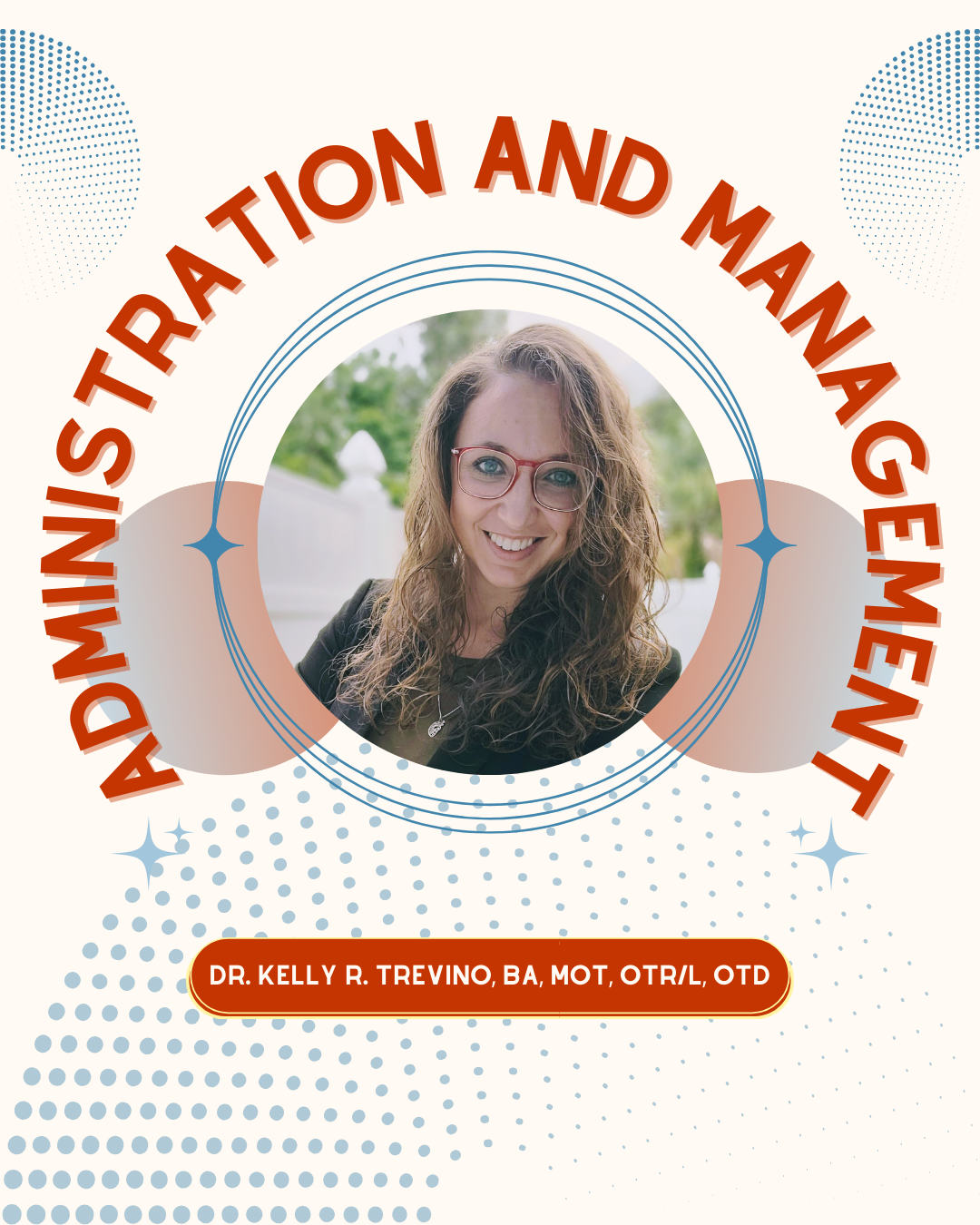 Leadership Role in Preventing Burnout
 Sacred Pause: The Power of Rest, Ritual, and Reflection for OTs
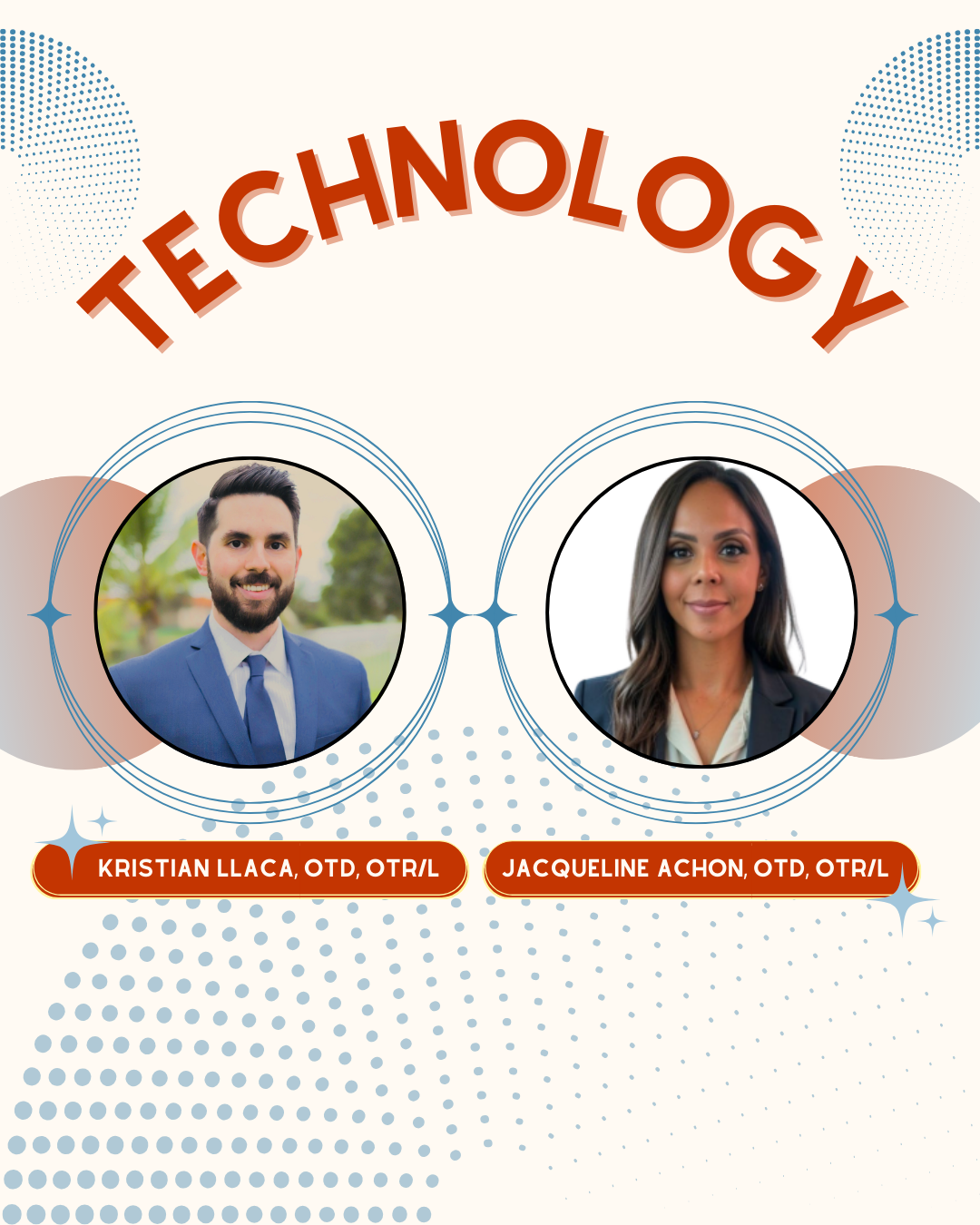 Bridging the Digital Divide: How Occupational Therapists Can Champion Technology Equity Across Communities
 Passing the Baton of SIS Leadership of the FOTA Practice Standing Committee
 Occupational Therapy Practitioner’s Evolving Contributions to the Modern Workforce
  Occupational Disruption: An Undeniable Reality for Occupational Beings, Part II
 Rooted in Regulation: The Role of Sensory Gardens in Pediatric Occupational Therapy
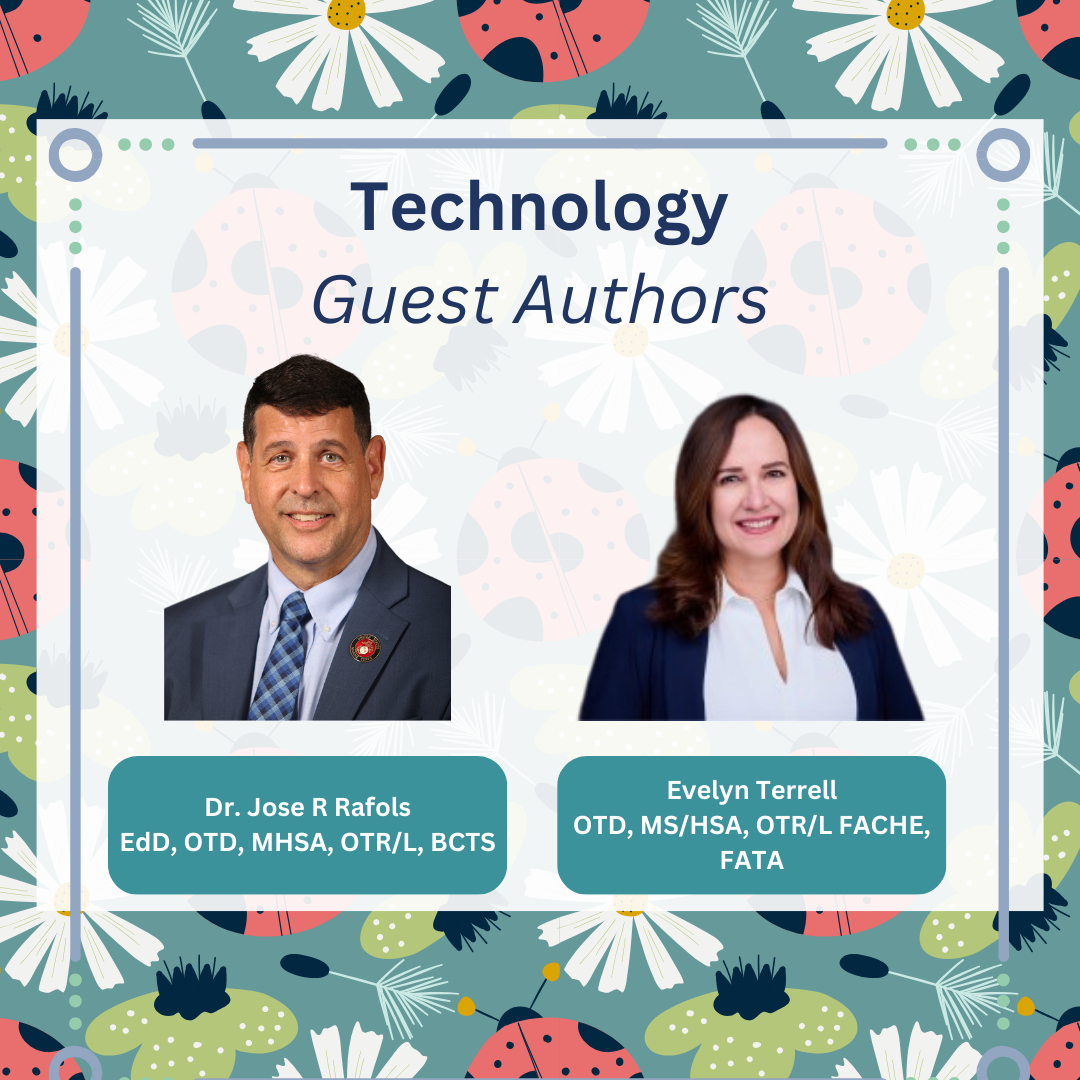 Leveraging Artificial Intelligence and Technological Advancements to Enhance Efficiency, Quality, and Patient Outcomes in Occupational Therapy