
Apr
06
 Differentiating Sensory, Executive Function, and Behavioral Challenges
Dominique Blanche Kiefer, OTD, OTR/L, BCP
Therapy West 2, Orlando
Differentiating Sensory, Executive Function, and Behavioral ChallengesDominique Blanche Kiefer, OTD, OTR/L, BCP
Therapy West 2, Orlando
 The Influence of Positive Faculty-Student Relationships on Student Engagement: The Basics
Kurt Hubbard, PhD, OTD, OTR/L, FAOTA
Abstract
 Traditional Medicare versus Medicare Advantage disparities and outcomes
Amanda Kotolski, Ph.D., OTR/L
Approximately 65 million people in the United States are enrolled in Medicare. Aging consumers are faced with decisions regarding their choices of traditional Medicare or enrolling with a Medicare advantage program. Last year, in Florida, 613 Medicare planes were available to enrollees (CoverRight, 2025). In 2023, Medicare Advantage (MA) plan enrollment surpassed traditional Medicare (TM) in enrollment (51%) (Prusynski, R.A., D’Alonzo, A., Johnson, M.P., Mroz, T.M., & Leland, N.E., 2024). However, research studies are showing growing discrepancies of coverage, availability and outcomes of home and community health services.
 Beyond Intuition: Mentoring the "Natural" OT/OTA Student for Deep Reflection
Chelsea Barton, MS, ORT/L
The “natural talent” student. They just have “it.” They establish rapport easily with clients, they have strong clinical "gut feelings" and high emotional intelligence, they rarely need a fieldwork educator (FWE) to majorly intervene. So, the FWE gives them one client to start, and they do well, next is 2, 3, 5, 7, and before midterm, they have the whole caseload. The FWE is of course providing direct supervision, especially in the beginning, and the student is getting the full experience, and quickly, too. They are taking on the entire caseload for longer than your typical students do. Which is good, right?
 The Importance of Vanity in Acute Care OT: Strategies to Improve Mental Health
Alyssa M. Garcia, OTD, OTR/L
Acute care therapists are hypervigilant in preventing the secondary effects that come from prolonged hospitalization, but beyond the bedsores and contractures are a variety of secondary effects deteriorating patients' mental health (Alzahrani, 2021). The factors of hospitalization that affect patients’ mental health are forced dependency, lack of physiological control, feeling overwhelmed by lines and equipment, pain, fear, loneliness, delirium, sleep deprivation, disorientation, and, at times, an inability to communicate (Halvorsen et al., 2021). These factors, combined with the patients’ prior mental health history, increase the likelihood of developing mental health challenges such as depression, anxiety, and PTSD (Halvorsen et al., 2021). Additionally, prolonged hospitalization can whittle away at patients' sense of self, self-esteem, and sense of control (Basile et al., 2021). Overall, this creates a cycle of reduced ADL engagement which leads to feelings of shame and helplessness which further exacerbates the patients’ mental health to perpetuate the cycle (Lianur et al., 2025). As experts in the intimate relationship between physical health, mental health, and occupational engagement, OTs are perfectly positioned to address this major concern (Smith et al., 2025).
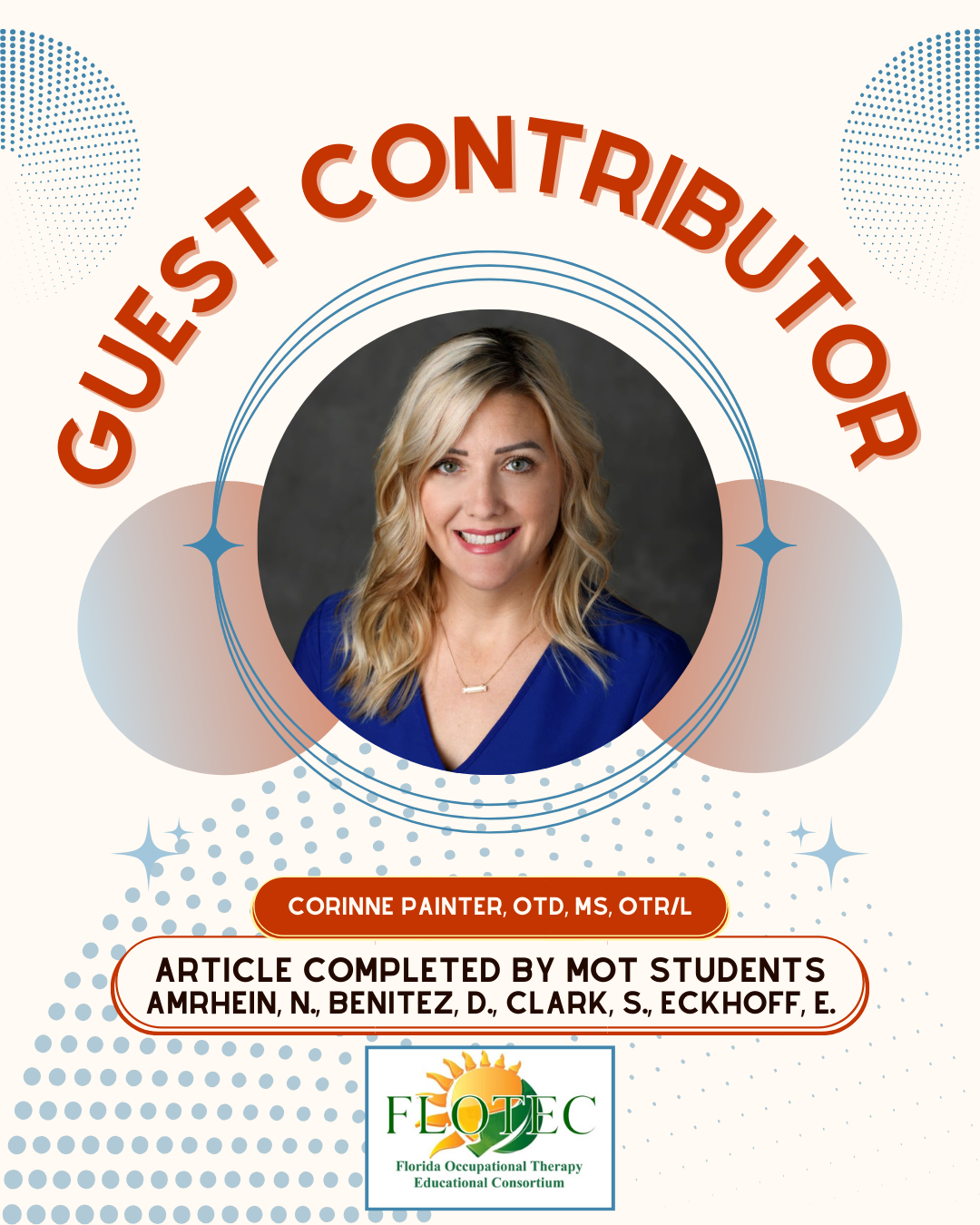 Bridging the Gap: Promoting Clinical Fieldwork Educator Competency in Occupational Therapy Practice
Article Completed by MOT Students: AmRhein,N., Benitez, D., Clark, S., Eckhoff, E.
Corinne Painter, OTD MS, OTR/L - Faculty Advisor/ Editor
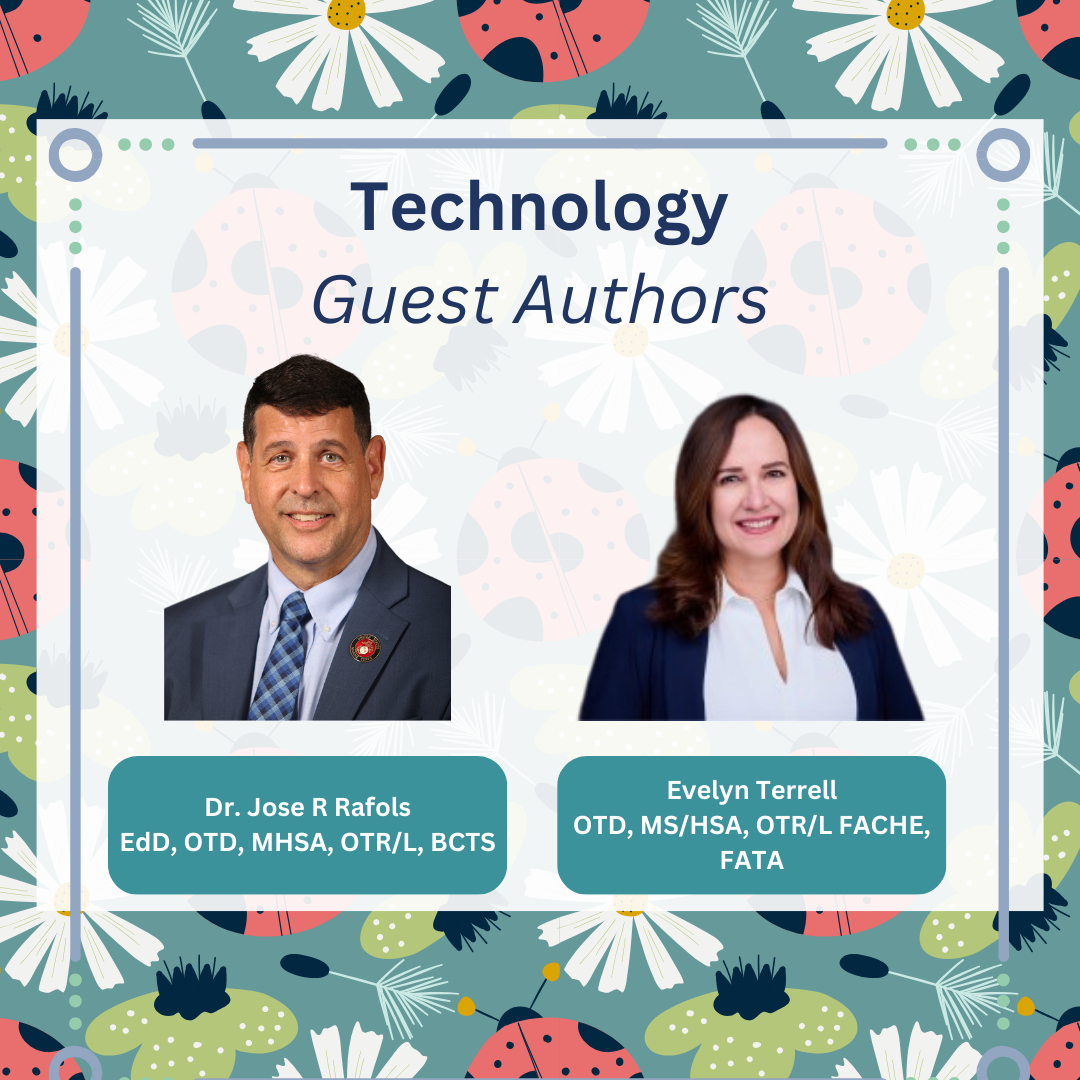 Leveraging Artificial Intelligence and Technological Advancements to Enhance Efficiency, Quality, and Patient Outcomes in Occupational Therapy
Evelyn Terrell, OTD, MS/HSA, OTR/L, FACHE, FATA
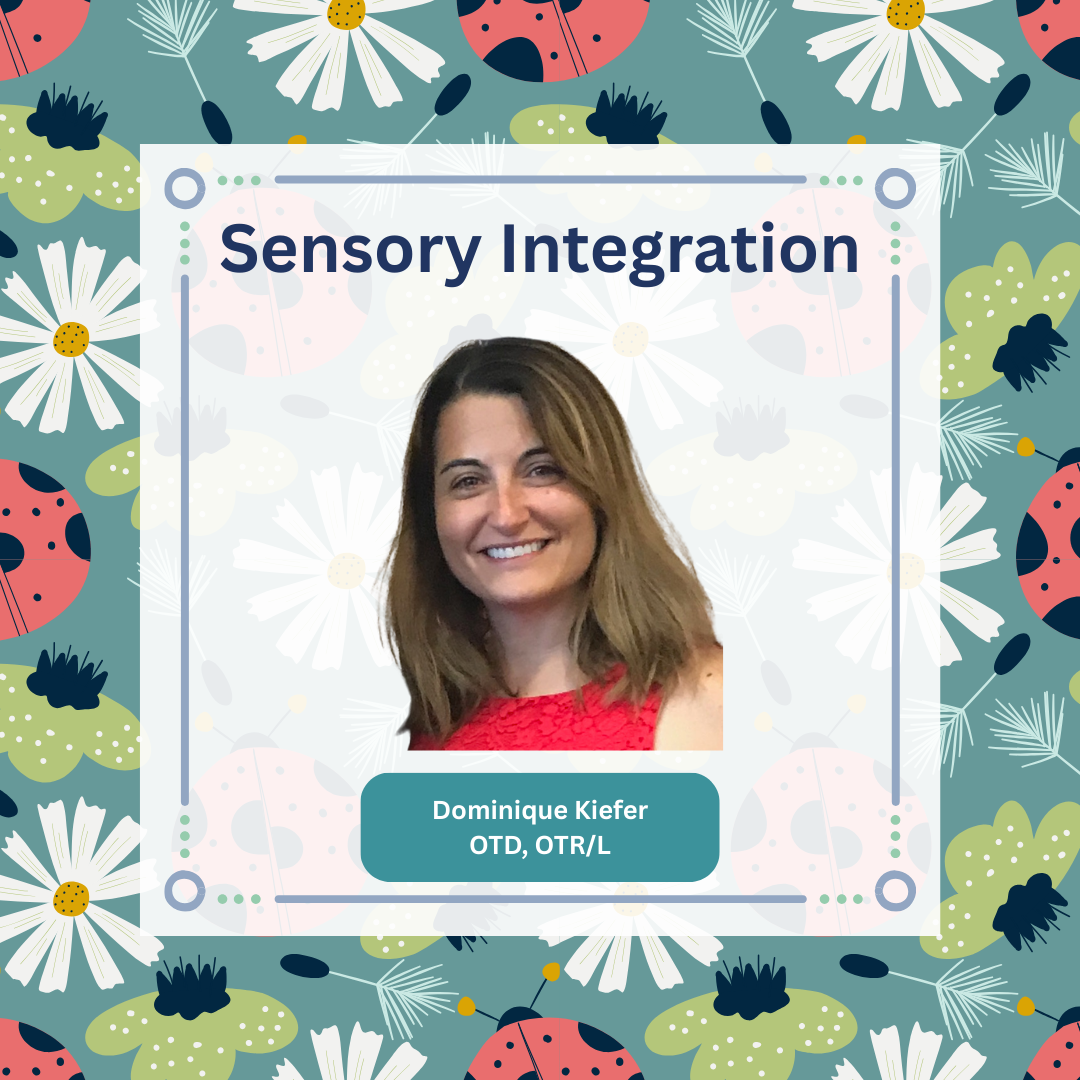 Ayres Sensory Integration Therapy, Reflex Integration Therapy, and the Efficacy When Used in Conjunction
Dominique Blanche Kiefer, OTD, OTR/L, BCP
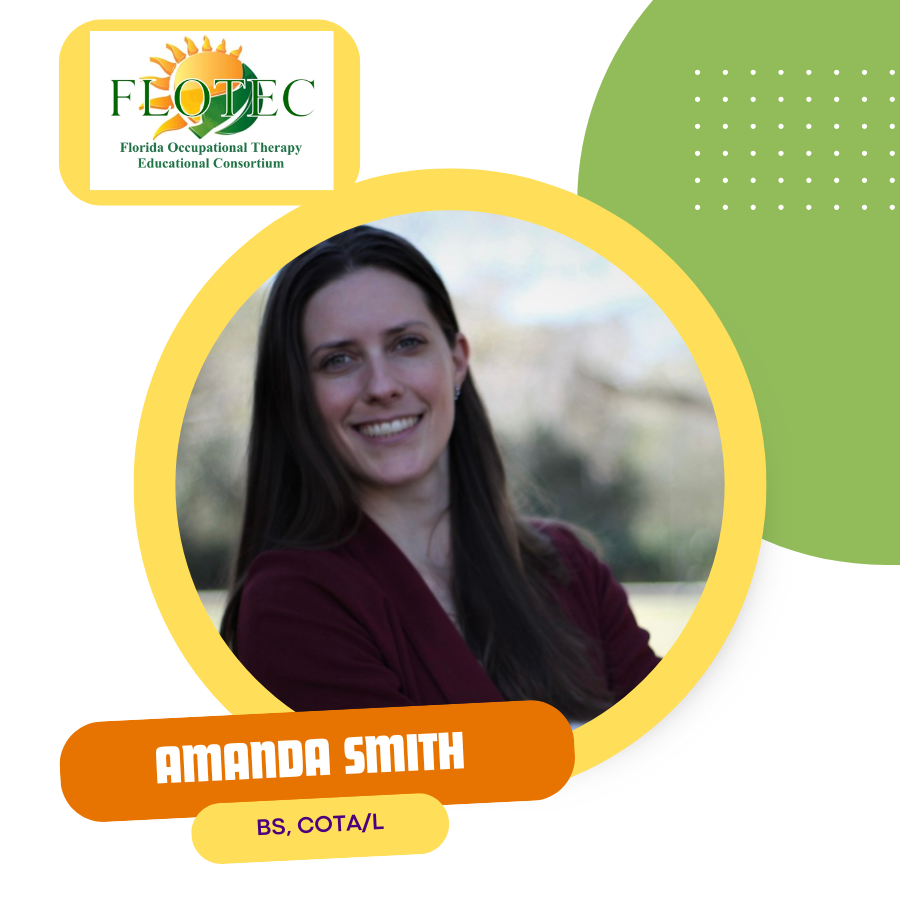 Psychosocial Factors in Fieldwork: Upcoming Changes and the Biopsychosocial Model
Amanda Smith BS, COTA/L
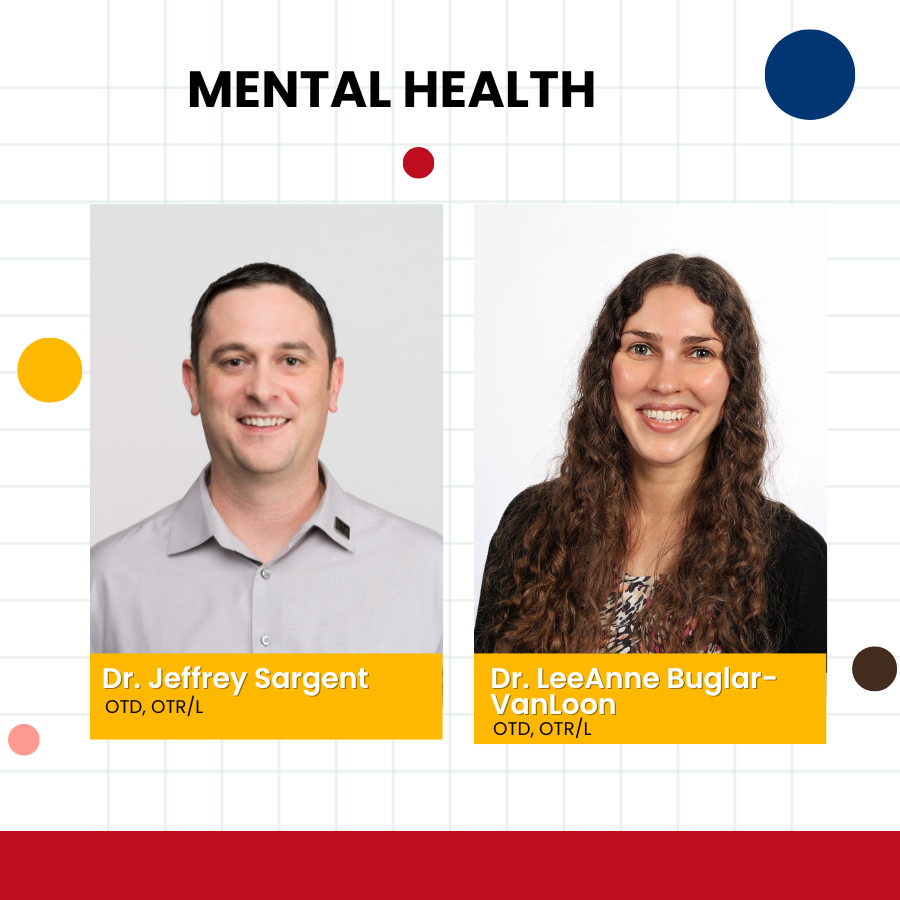 Breaking Down Barriers in the Community-Based System of Care A Call to Action
Dr. Jeffrey Sargent OTD, OTR/L
 OT’s Role in Firefighter Mental Health
Alyssa M. Garcia, OTD, OTR/L
 Occupational Therapy Gives a Smile for Life
FLOTEC submission
 Improving Patient Safety in Occupational Therapy
Anna DeMarco
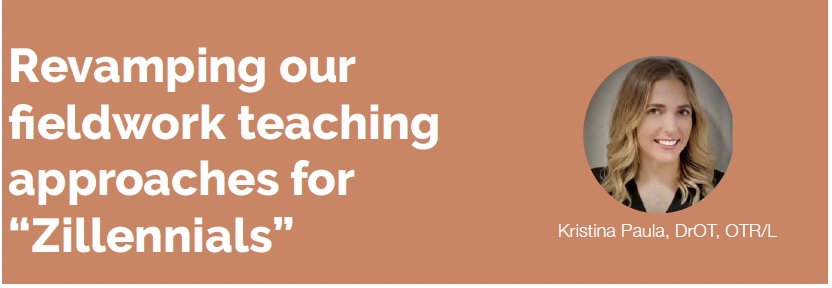
Have you ever spoken to fieldwork students and felt like it went in one ear and out the other? Well maybe because it has. Let’s take a step back and consider it from the student’s learning perspective; it is not due to their unwillingness to learn. Most universities have adopted an adult learning style to meet the learning needs of students from younger generations, however, fieldwork educators may continue to use the same teaching strategies from previous generations. As these students’ learning styles have evolved, we cannot continue to propose the same teaching styles we used 15, 10, or even 5 years ago. As occupational therapists, we adapt our therapeutic use of self to meet the individual needs of our clients. Fieldwork educators must also adjust our therapeutic use of self to enhance our interactions with fieldwork students for their learning experience.
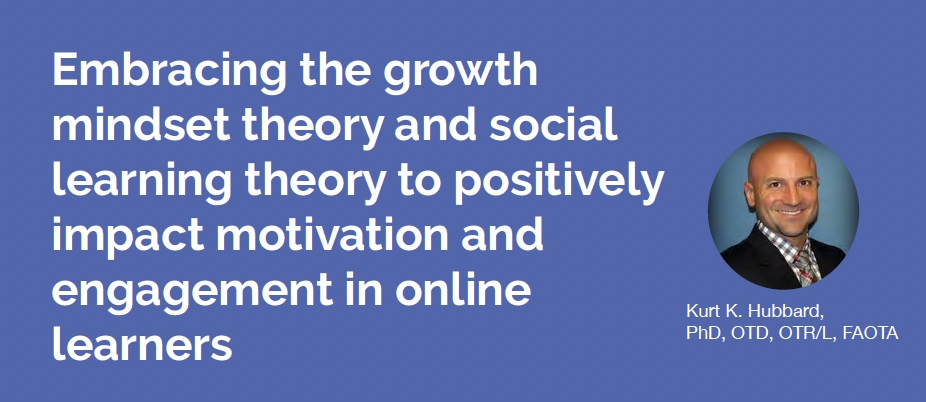
Online education refers to a learning process in which at least 80% of the course content is delivered via an online learning platform (Yeboah, Dogbey, & Smith, 2016). Hybrid education is a curriculum that has at least 50% of their delivery online. Increasingly, OT entry level programs are being delivered using hybrid curriculum. In addition, post-professional OT programs are primarily online in education delivery. According to the literature, enrollments in online education have grown rapidly in the past decade throughout postsecondary education (Jaggars, 2014). This growth offers learners opportunities, but also presents challenges for learners enrolled in online courses. For instance, despite the rapid growth in enrollment for online distance education courses, learner persistence and academic performance in online courses is often much lower than in traditional non-online courses (Croxton, 2014). Furthermore, according to Kauffman (2015), attrition rates remain high for online education courses as compared to traditional non-online distance education courses. Online education research studies have identified internal factors that lead to the underperformance for online learners (Croxton, 2014). These internal factors include lack of motivation, challenges with self-determination, and issues with not experiencing online engagement (Croxton, 2014). To this end, online college students who experience the least amount of motivation and engagement are said to be at a greater risk of dropping out (Pruett & Absher, 2015). It is of interest to identify ways the faculty can have an essential role in improving the motivation and engagement of online learners moving forward.
Current community-based mental health services in the state of Florida are sparse and focused on targeted areas, such as medication management, psychiatric services, trauma-based support groups, and day programming. Few programs or services facilitate community re-integration, and those that do, rely mainly on peer support services. The current continuum of care is not always able to account for the far-reaching effects of mental health and substance abuse issues and how they create obstacles to daily living and community participation. In Florida, mental health, substance abuse, and co-occurring disorder programs are under strain from a lack of funding. According to the State of Florida Appropriations Committee 2021 Annual Budget, only 7% of the allotted 3.8 billion dollars of funding to the Department of Children and Families is designated for community mental health and substance abuse services (The Florida Senate, 2022). These funds must stretch across all the programs and other related services. Funding for occupational therapy services is largely non-existent in these programs, despite a long history of treating this population. Occupational therapists (OTs) receive specialized education and clinical training to address areas within the continuum of community reintegration for clients experiencing mental health and co-occurring disorders. OTs can apply theory and conceptual models of practice stemming from a rich occupational science history to enable successful improvements in occupational participation and performance.
The Accreditation Council for Occupational Therapy Education (ACOTE®) standards and the Standards of Practice for Occupational Therapy identify the collaborative roles of OT/ OTA intraprofessional responsibilities (Accreditation Council for Occupational Therapy Education [ACOTE], 2018; American Occupational Therapy Association [AOTA], 2020, 2015). According to the American Occupational Therapy Association (AOTA, 2022), there are 16 occupational therapy and 20 occupational therapy assistant programs in Florida. The 2022 U.S. Bureau of Labor and Statistics Occupational Outlook Handbook reports 6,770 occupational therapists and 2,550 occupational therapy assistants licensed in Florida (U.S. Bureau of Labor Statistics, 2022). The employment rates for occupational therapy practitioners are growing exponentially, with an expected increase of 24% for OTAs and OT aides and 14% for OTs by 2031 (U.S. Bureau of Labor Statistics, 2022). With the growing demand for occupational therapy practitioners, the profession must ensure that OT and OTA students and practitioners have the knowledge and skills to promote quality supervisory and collaborative relationships to ensure best practices for our clients. This process should start in the educational environment.

The updated Florida Occupational Therapy Practice Act defines health management as “therapeutic services designed to develop, manage, and maintain health and wellness routines” (The Florida Legislature, 2022). The American Occupational Therapy Association also de- fines it as an instrumental activity of daily living (IADL) in the Occupational Therapy Practice Framework (American Occupational Therapy Association [AOTA], 2020). The goal of health management is to improve or maintain health to support participation in occupations. The categories of health and wellness can be broken down into the following categories (AOTA, 2022):
Amazon searches starting from www.flota.org benefit FOTA!