
Oct
22
 Masculinity, Occupation, and Healthy Behaviors
Dr. Khalil Mrabe OTD, Med, CLT
Dr. Gabriela Perez EdD, OTD, MS, OTR/L, PTA, CSRS
Masculinity, Occupation, and Healthy Behaviors
Dr. Khalil Mrabe OTD, Med, CLT
Dr. Gabriela Perez EdD, OTD, MS, OTR/L, PTA, CSRS
 Sacred Pause: The Power of Rest, Ritual, and Reflection for OTs
Occupational therapists are skilled at creating restorative routines for their clients, but often neglect their own need for rest and recovery. This article explores the concept of the “sacred pause”—a purposeful practice of rest, ritual, and reflection—as a powerful strategy for therapist wellbeing. Drawing from clinical experience, spiritual practice, and emerging literature, it invites OTs to reclaim space for themselves as an extension of ethical, sustainable care. A guided relaxation script is included to help integrate these concepts into daily life.
Occupational therapists are champions of balance, yet so often we find ourselves teetering on the edge of burnout. We advocate for sensory-friendly environments, restorative sleep, and meaningful routines, for everyone but ourselves. Caught in the crosscurrents of documentation, productivity, and caregiving (both personal and professional), it becomes easy to default into over-functioning and under-recovering. In recent years, I’ve found myself leaning into the concept of what I call the sacred pause, a purposeful practice of rest, ritual, and reflection that allows me to refill my cup, reconnect to my purpose, and reengage from a place of wholeness.
 Navigating the Transition from Clinician to Manager
From Staff Therapist to Manager
The transition from staff therapist to a first-time manager can be challenging, particularly when the people you now supervise are former colleagues or coworkers or even former fieldwork instructors. Relationships among peers must evolve as you assume responsibility for supervising staff, providing feedback, addressing performance concerns, and making difficult decisions.
 Wearables Beyond Fitness Tracking: An Emerging Role for OT
Jacqueline Achon, OTD, OTR/L
Kristian Llaca, OTD, OTR/L
 Thriving at Work: Occupational Therapy Strategies for Cancer Survivorship
Vanessa Grijalba, OTD, OTR/L, CHT;
Lyvette Carrasquillo, OTD, OTR/L, M.Ed., MHA
 Planting Possibilities: Sensory Gardens in Pediatric Occupational Therapy
Marissa Casamento OTD-S
Jennifer Martinc OTR/L
 Understanding Occupational Identity: Building on the Foundation of Occupational Science
Ricardo C. Carrasco PhD, OTR/L, FAOTA
Jennifer Castelli OTD, OTR/L, CHT
 Sustaining the “Self” in Therapeutic Use of Self
Annemarie Connor, PhD, OTR/L; Sarah Fabrizi, PhD, OTR/L; Lauryn Combs, OTS; Aubrie Fry, OTS
In the ever-evolving profession of occupational therapy, practitioners are often inundated with new technologies, standardized assessments, and specialized protocols. While these are essential, we must not overlook the most foundational instrument in our clinical toolbox: therapeutic use of self. Broadly conceptualized as the working alliance (WA), this is a collaborative relationship defined by agreement on goals, consensus on tasks, and strong interpersonal bonds (Bordin, 1979). This article operationalizes the WA as an evidence-based practice foundational to effective intervention and a critical protective factor against therapist burnout.
 Executive Functioning in School‑Based Occupational Therapy: Assessment and Intervention Through an Occupational Lens
Dr. Pauline Kelly, OTD, OTR/L
 High Risk Pregnancy and the Expanding Role of Occupational Therapy in Maternal Health
Sabina Khan PhD, OTD, OTR/L and Pamela Hess OTD, OTR/L
Abstract
 Supporting Occupational Engagement for Individuals Living with Cancer: Implications for Occupational Therapy Practice
Kristin Domville, PhD, MOTR/L and Brianna Batista OTD
Cancer survivorship continues to increase in the United States, creating a growing need for rehabilitation services that address the functional and psychosocial challenges experienced during and after treatment. Individuals living with cancer often experience disruptions in daily occupations due to symptoms such as fatigue, pain, emotional distress, and changes in physical functioning (Fleischer et al., 2023; Fu et al., 2022). Occupational therapy practitioners are uniquely positioned to support participation in meaningful activities and improve quality of life for this population.
 Evidence-Based Cognitive Interventions for Older Adults
Annette Bullard, MEd, BA, COTA/L
Lucerito Gonzalez, MSOT, COTA/L
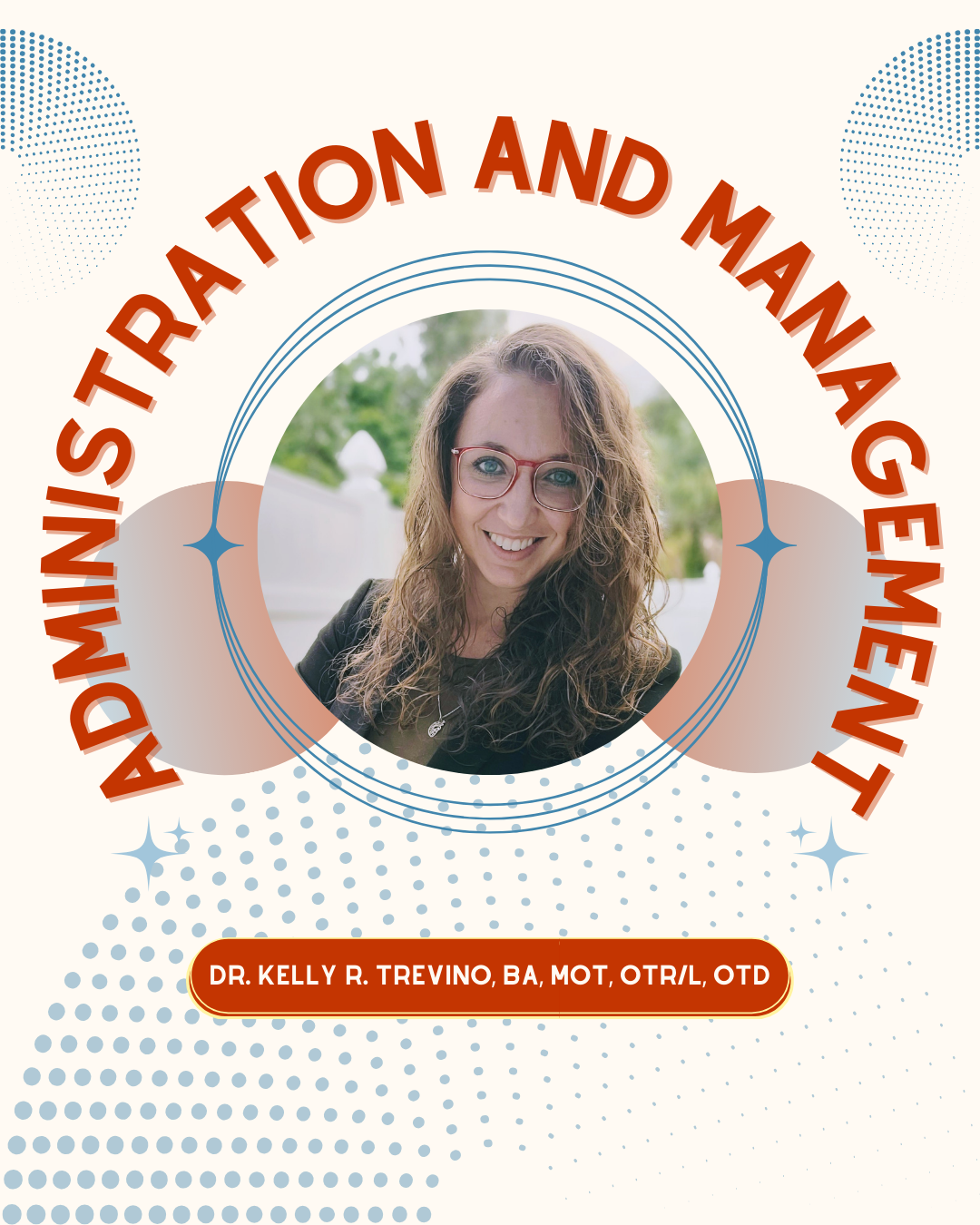 Leadership Role in Preventing Burnout
Dr. Kelly Trevino OTR/L, OTD
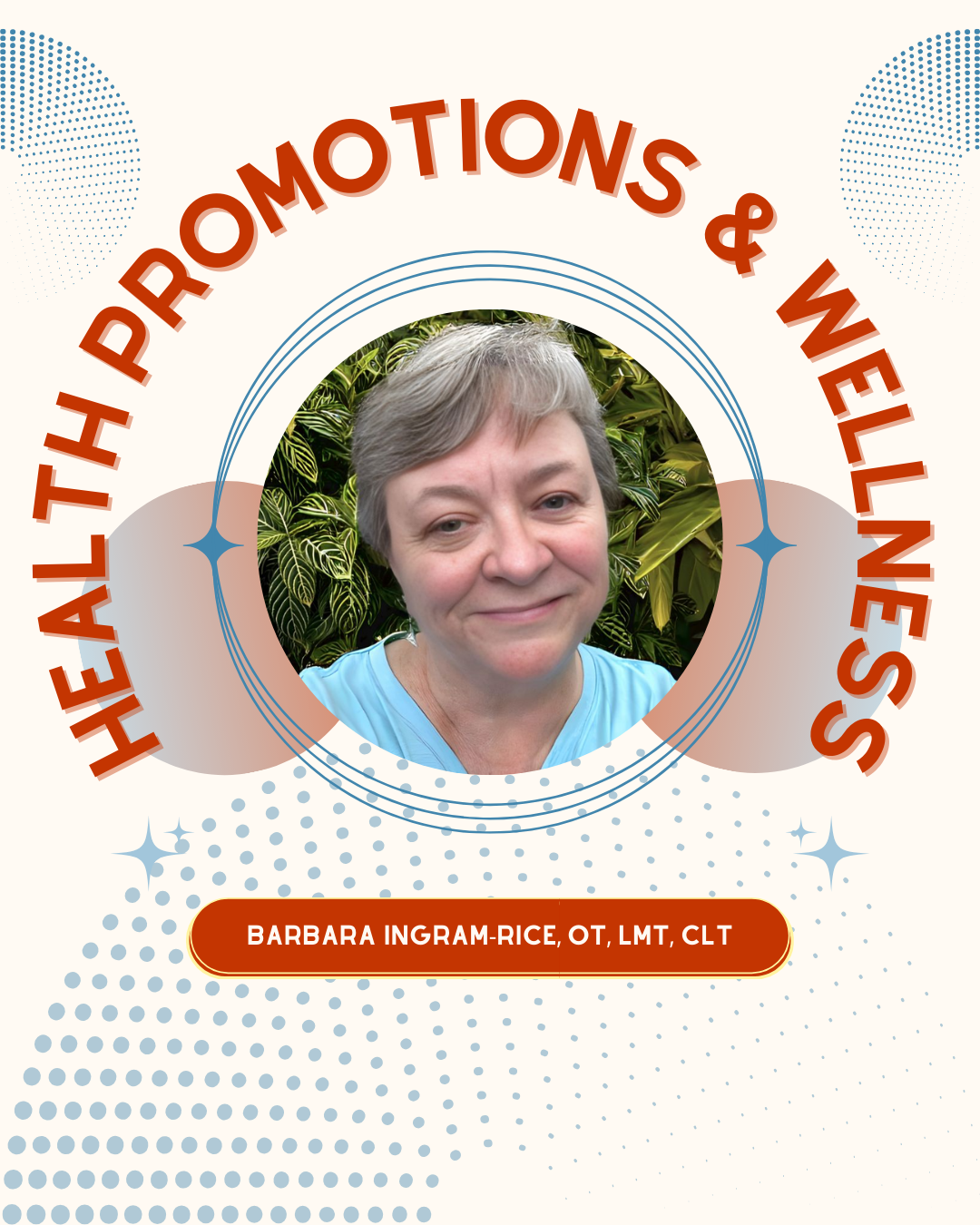 Sacred Pause: The Power of Rest, Ritual, and Reflection for OTs
Barbara Ingram-Rice, OT. LMT, CLT
Abstract
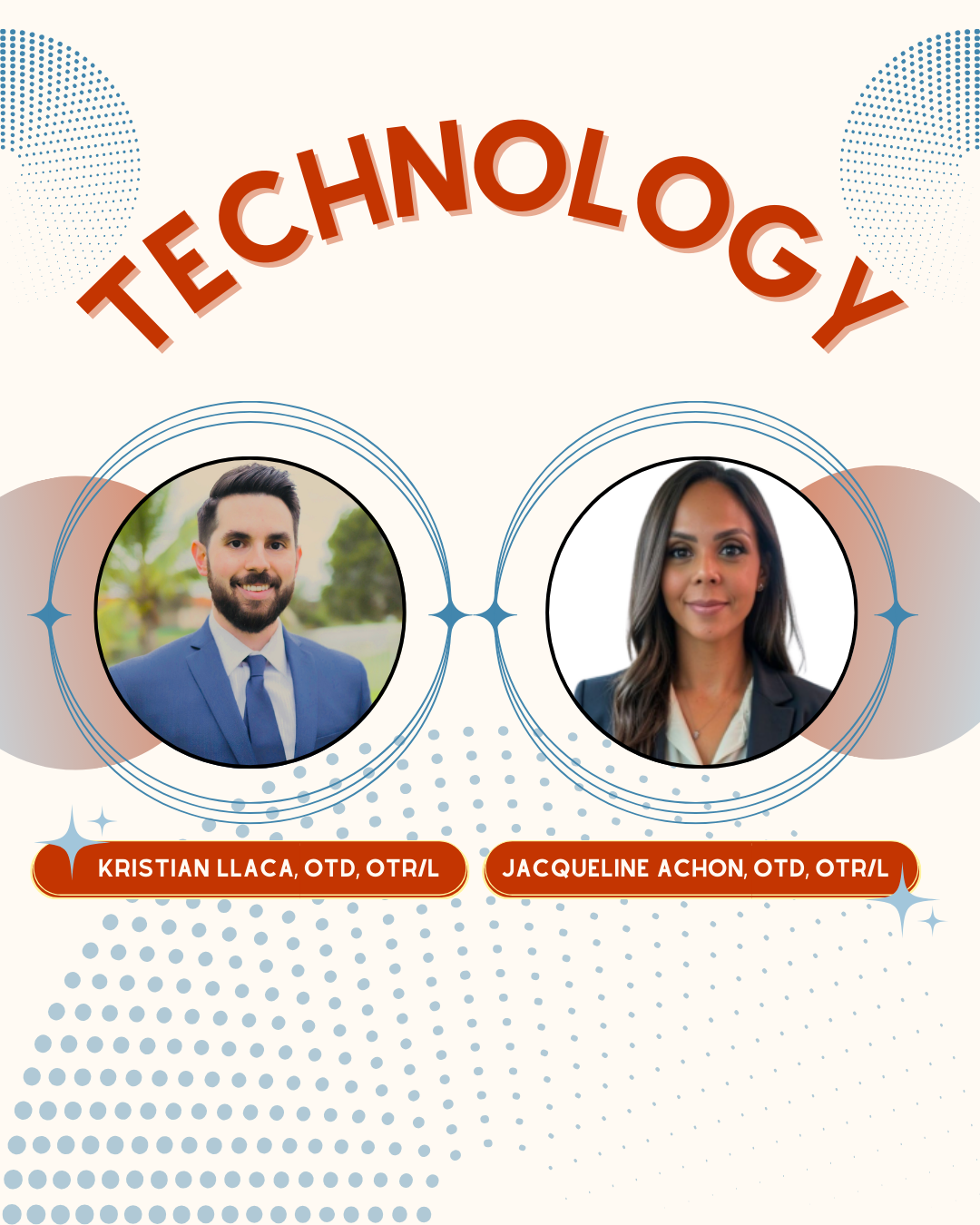 Bridging the Digital Divide: How Occupational Therapists Can Champion Technology Equity Across Communities
Abstract
 Occupational Therapy Practitioner’s Evolving Contributions to the Modern Workforce
Lyvette Carrasquillo, OTD, OTR/L, CVRT
Vanessa Grijalba, OTD, OTR/L, CHT
 Occupational Disruption: An Undeniable Reality for Occupational Beings, Part II
Ricardo C. Carrásco, PhD, OTR/L, FAOTA
Shirish Lala, EdD, MHS, OTR/L
 Rooted in Regulation: The Role of Sensory Gardens in Pediatric Occupational Therapy
Jennifer Martinc, OTD
Carolyne Teixeira OTD-S
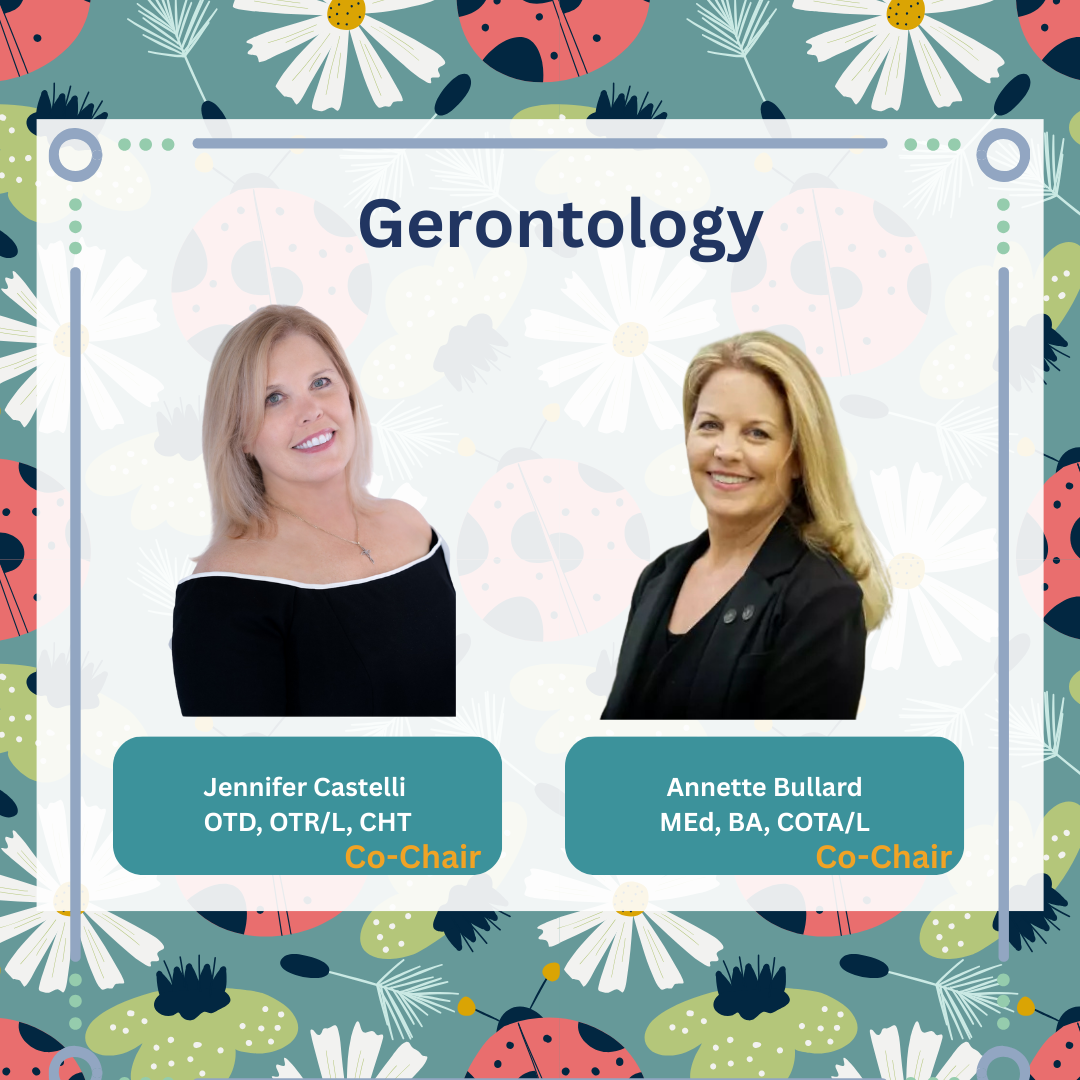 The Revolutionizing Power of AI: Occupational Therapy and the Older Adult
Annette Bullard, Med, BA, COTA/L
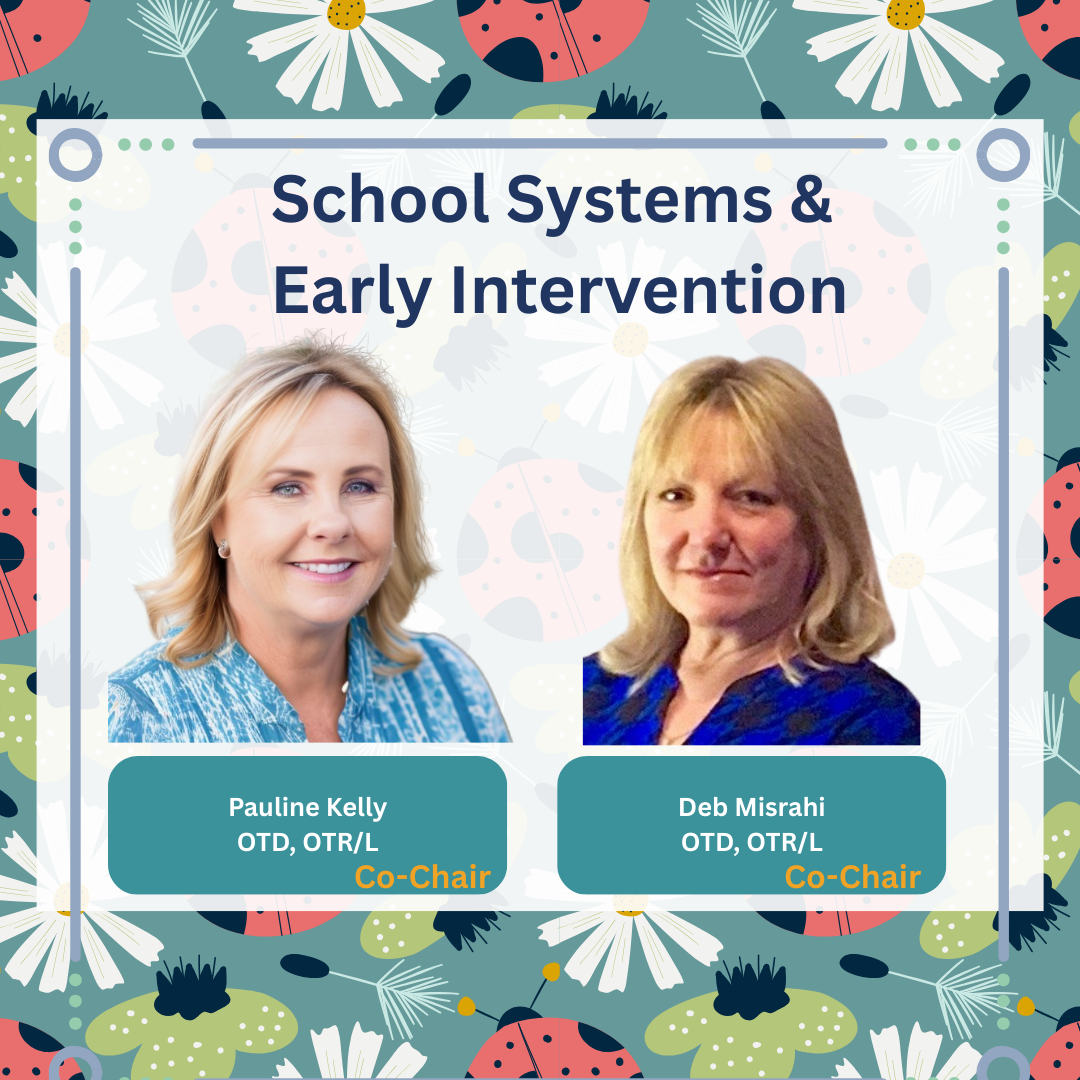
School-Based Occupational Therapy Assessments: Capturing the Student-Environment Interaction to Promote Engagement and Access
Amazon searches starting from www.flota.org benefit FOTA!